Concrete Sealing Lifespan in Utah: How Long Does It Last and When to Reseal?
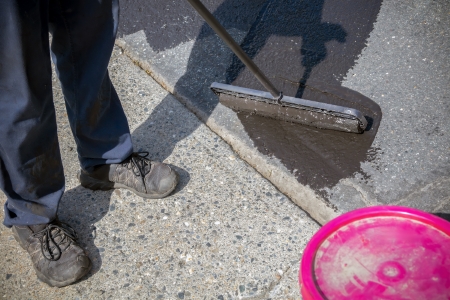
Wondering how long concrete sealing lasts in Utah and the best time to reseal? In Provo, cold winters, bright summer sun, and daily traffic all play a role. This guide explains typical lifespans, simple signs it is time to refresh protection, and how a local schedule keeps your surfaces looking sharp. If you want a fast answer now, explore our concrete sealing service to see how Mountain West Pressure Washing protects high-traffic areas across Provo.
Why Concrete Sealing Lifespan Varies In Utah County
Sealer life is not one-size-fits-all. The same product can last different lengths of time depending on local conditions and how the surface is used week to week.
- Sun and elevation: Strong UV at our altitude can age film-forming sealers faster.
- Freeze-thaw cycles: Winter temperature swings and meltwater stress joints and pores.
- Deicing salts: Road and parking-lot salt pull moisture into concrete and can accelerate wear. Deicing salts accelerate surface breakdown.
- Traffic and turning: Tires twisting at drive entries or loading zones abrade coatings.
- Oil and irrigation: Oil drips, rust, and hard-water overspray stain and weaken finishes.
- Mix, finish, and age: Older or porous slabs may absorb more and need shorter intervals.
Typical Lifespans By Sealer Type In Provo’s Climate
Every job starts with choosing the right chemistry for the surface and setting. Below are general ranges many Provo property owners experience. Actual results vary by use, prep quality, and weather from year to year.
Penetrating Sealers (Silane/Siloxane)
These soak into the concrete and help block water and salt penetration without leaving a glossy film. In Utah County, they frequently perform well on sidewalks, drive lanes, and parking decks. Many owners see multi‑year protection on residential walks and driveways, often outlasting thin films because UV has less direct impact beneath the surface.
Film-Forming Acrylics
Common on stamped or decorative concrete where richer color and a light sheen are desired. In sunny, high-traffic areas around Provo, acrylics typically need more frequent refreshes. Expect shorter cycles on south-facing patios and storefronts because UV at elevation can shorten film-forming sealer life.
Urethane and Other High-Performance Coatings
Used selectively on specialty areas and some interiors. They resist abrasion well but still depend on correct prep and compatible layers beneath. When misapplied outside, gloss and clarity can fade sooner than expected. A local assessment ensures the system matches real-world use.
Stamped, Colored, Or Decorative Surfaces
Decorative concrete looks best when color and texture are protected from water, salts, and tire scuffs. Many Provo patios and entries benefit from a schedule that prioritizes appearance retention along with protection. That often means a shorter, steady reseal cycle compared to plain gray concrete in low-wear zones.
How To Know It’s Time To Reseal In Provo, UT
You do not need lab gear to spot early warning signs. A quick visual review during dry and wet conditions helps you plan before damage shows up.
- Water no longer beads on the surface. Dark wet spots linger instead of drying evenly.
- Increased staining from oil, leaves, or irrigation overspray that is harder to remove.
- Fading color and dull patches on stamped or stained areas.
- Salt dusting and minor scaling near plow piles, curbs, or north-shade sidewalks.
- High-turn areas show black tire arcs or chatter marks after busy weekends.
If you see any of the above in Carterville, Joaquin, Riverbottoms, East Bay, or near the BYU campus, a reseal visit can help you avoid permanent marks and spalling later.
Never seal over wet concrete. Trapped moisture can turn a clear finish cloudy and shorten protection. Plan resealing for a dry stretch and shaded hours so the surface stays cool and cures evenly.
Seasonal Reseal Timing That Works In Utah
Our climate rewards good timing. Late spring through early fall is usually the sweet spot around Provo. Cold snaps, storm cycles, and early sunsets shorten your window in late fall, and winter simply is not friendly to curing. Planning early helps you avoid the rush before the first freeze.
Because conditions and use vary, think in ranges rather than exact dates:
- Residential driveways and walks: often reviewed every 2 to 4 years, sooner at busy curb cuts.
- Commercial entries, pickup lanes, and loading zones: often inspected yearly, resealed as needed. High-traffic entries may need annual inspections.
- Stamped or decorative patios and plazas: appearance-driven schedules, commonly on the shorter side.
- Shady, north-facing, or salt-prone sections: reviewed more often due to moisture and melt patterns.
Not sure where to start? A quick, no-pressure walk‑through from Mountain West Pressure Washing can map zones by exposure and set a practical rotation that fits Utah County weather.
What A Professional Reseal Includes For Provo Surfaces
Great results come from matching the sealer to the surface and the season, plus careful surface preparation. On oily drive lanes and restaurant lots, pretreatment is key, which is why many property managers pair resealing with targeted grease and oil removal to reduce stains from returning.
For decorative areas, clarity and color pop matter. A local technician looks at shade, sun angle, and traffic so the final system protects and still looks right on bright Utah days. The goal is a clean, protected surface that sheds water, resists salts, and keeps its color and texture through the seasons.
Where Sealing Pays Off Most Around Provo
Every property has hotspots that take the brunt of wear. Reinforcing protection in these places stretches the life of your entire site:
- Driveway aprons and turn-in lanes where tires twist and track road salt from I‑15.
- Sidewalks near snow piles, curbs, and bus stops along University Avenue and Center Street.
- Restaurant pickup lanes and grocery entries in East Bay and Riverwoods shopping areas.
- Shady north-facing walks in older neighborhoods where meltwater lingers.
- High-visibility plazas and stamped entries that carry your curb appeal.
How Long Does Concrete Sealing Really Last Here?
Lifespan is the result of fit and upkeep. A penetrating treatment on a lightly traveled sidewalk often outlasts a thin film on a sunny, busy patio. Likewise, the same coating can live longer when spills are addressed promptly and winter salt is managed. Utah’s recipe for success is simple to say and smart to follow: use the right system, time it well, and keep an eye on heavy-use spots so you can refresh before problems start.
If you manage apartments, condos, or storefronts, pairing routine washing and periodic sealing pays off. When you are ready to plan, our concrete sealing team can help you choose a system that fits each surface rather than forcing a one‑size‑fits‑all product.
Pair Sealing With Regular Exterior Care
Clean surfaces last longer. Annual or seasonal exterior cleaning keeps organics, dust, and overspray from building up and staining. If your property includes taller exteriors or shared walls, it may help to align your reseal rotation with scheduled building washing so you maintain everything together.
If you are comparing options for concrete sealing in Provo, UT, see how Mountain West Pressure Washing approaches Utah County weather, traffic, and busy tenant schedules. A single coordinated plan beats piecemeal fixes every time.
Ready To Protect Your Concrete Before The Next Winter?
Let Mountain West Pressure Washing map a reseal schedule that fits your site, season, and budget priorities. Talk with a local specialist at (801) 810-4005 or request a quick site review today. When you are ready to move forward, start here with our concrete sealing page to see how we help Provo properties stand up to sun, salt, and snow.
Tell Grime to Take a Hike!
Call Mountain West Pressure Washing in Provo Today!